

Table Of Contents
🧩 Problem Statement
Design a scalable frontend for a real-time chat application (like WhatsApp / Slack).
1️⃣ Clarify requirements (say this first in interview)
💬 Interview-style opening
“Before designing, I’d like to clarify the requirements.”
Functional
- 1-to-1 chat & group chat
- Real-time messages
- Message history
- Online / offline status
- Read receipts (optional)
Non-functional
- Low latency
- Scalable to millions of users
- Works on desktop & mobile
- Good UX even with slow network
2️⃣ High-level Frontend Architecture
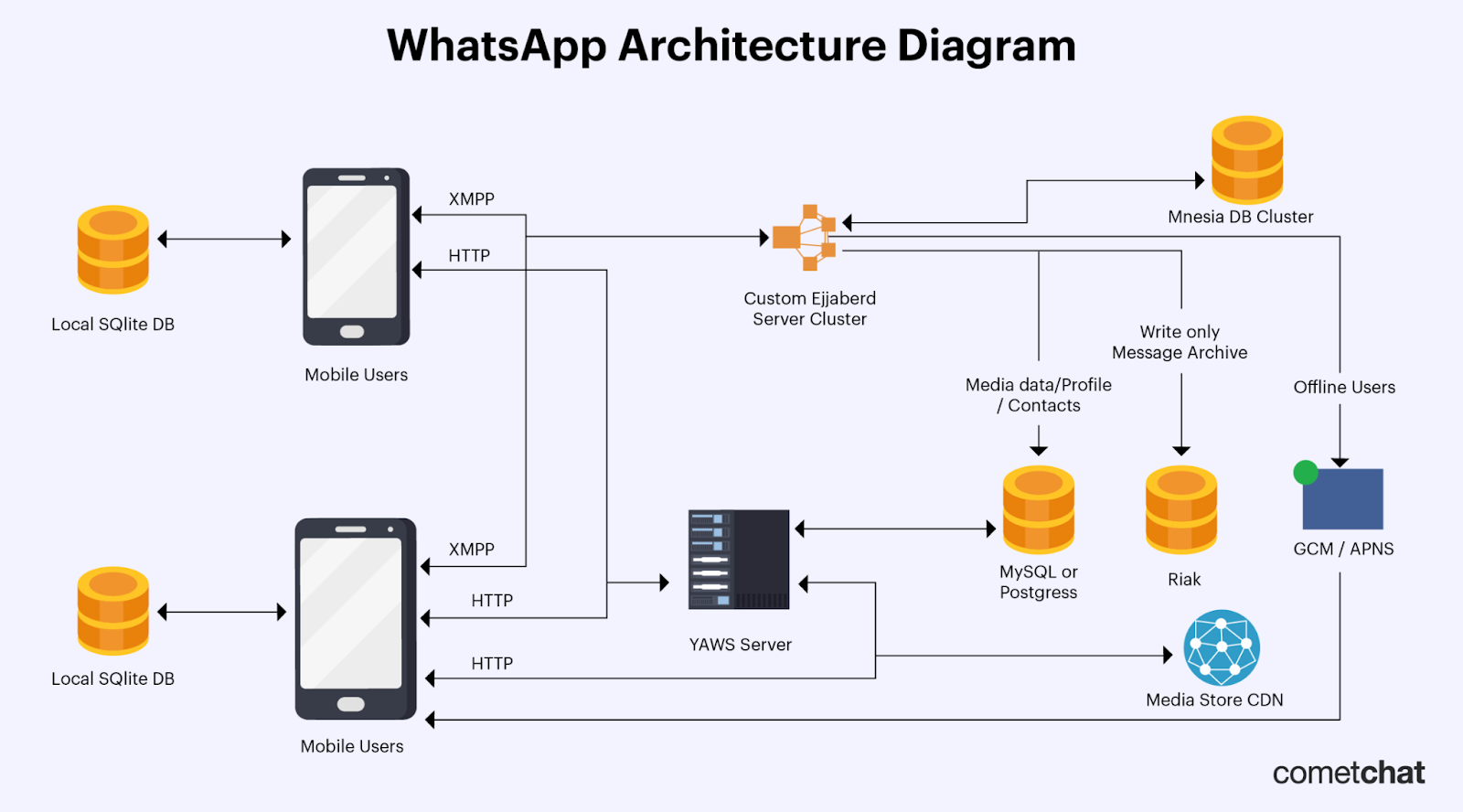


Overview
- SPA (React)
- WebSocket for real-time messaging
- REST API for history & metadata
- CDN for static assets
- Local cache for messages
💬 Interview line:
“The frontend is a SPA served via CDN, using REST APIs for initial data and WebSocket for real-time updates.”
3️⃣ Communication Strategy
REST API (initial load)
- Fetch conversations
- Load message history (pagination)
WebSocket (real-time)
- Send / receive messages
- Typing indicators
- Online status
💬 Strong answer:
“I use REST for predictable data fetching and WebSocket only for real-time events.”
4️⃣ App Structure (Frontend Architecture)
/features/chatChatList.tsxChatWindow.tsxMessageItem.tsxchat.service.ts/auth/shared/components/hooks/utils
Why?
- Feature isolation
- Easier scaling
- Better maintainability
💬 Interview sentence:
“Feature-based structure helps the chat module scale independently.”
5️⃣ State Management Design (VERY IMPORTANT)
| Data Type | Tool |
|---|---|
| UI state (modal, input) | Local state |
| Server state (messages) | React Query |
| Real-time events | WebSocket + store |
| Auth user | Context / global store |
💬 Interview gold:
“Messages are server state, so I avoid storing them entirely in Redux.”
6️⃣ Message Flow (Explain clearly)

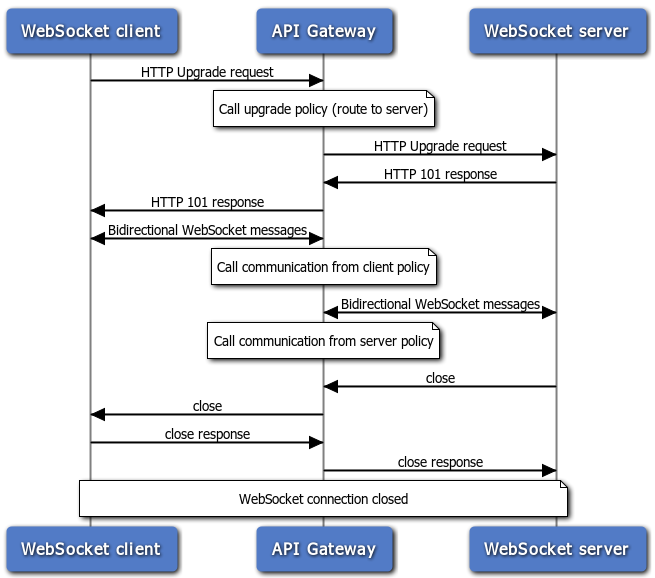
Sending message
- User types → optimistic UI update
- Message sent via WebSocket
- Server confirms → update status (sent/read)
Receiving message
- WebSocket receives message
- Update cache
- UI re-renders automatically
💬 Interview line:
“I use optimistic updates to make the chat feel instant.”
7️⃣ Performance Optimizations
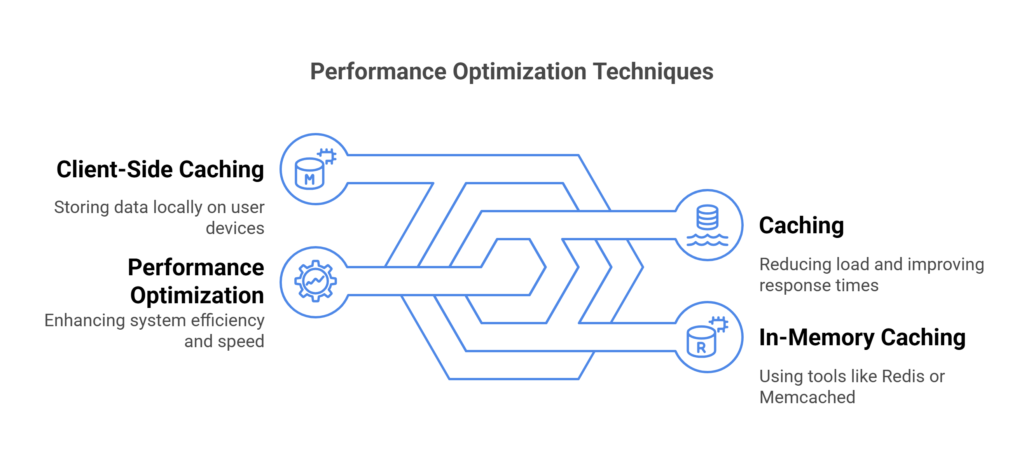
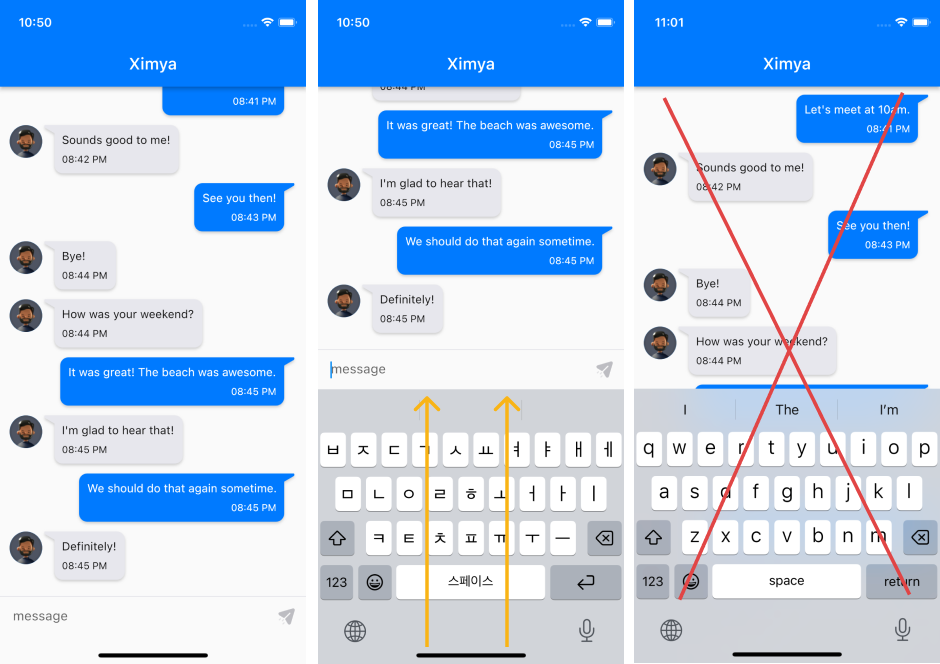

- Virtualized message list (large chats)
- Infinite scroll (load older messages)
- Memoized message components
- Debounced typing events
💬 Say this:
“For large chat histories, virtualization prevents performance issues.”
8️⃣ Offline & Network Handling
- Cache recent messages (memory / indexedDB)
- Retry failed messages
- Show message states: sending / failed / sent
💬 Interview sentence:
“Even with unstable network, users can continue chatting.”
9️⃣ Error Handling & UX
- Global error boundary
- Reconnect WebSocket automatically
- Skeleton loaders
- Toasts for failures
🔐 10️⃣ Security (Frontend scope)
- HTTPS + WSS
- Auth token via HTTP-only cookies
- No sensitive data in localStorage
- XSS prevention
🧠 1-Minute Final Summary (MEMORIZE THIS)
“I design the chat app as a SPA using REST APIs for initial data and WebSocket for real-time updates. The codebase is structured by features, messages are treated as server state using React Query, and WebSocket handles live events. I optimize performance with virtualization and optimistic updates, handle offline scenarios gracefully, and ensure security through proper token handling and HTTPS.”